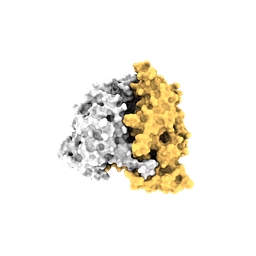
TernaryTx is a biotech startup revolutionizing molecular glue discovery with a unique computational design platform. They focus on immunology, developing novel molecular glue degraders and activators for various indications, with a pipeline including TERN003 for Inflammation, TERN002 for Neuroinflammation, and TERN001 for Inflammation and Fibrosis. Their technology leverages computational discovery for rational design and target deconvolution, utilizing AI methods for virtual screening (Puffin, Octopus) and identifying hot spots for ternary complex formation (Leopard). The company is founded and led by pioneers in AI-driven drug discovery and targeted protein degradation, with labs in Stevenage and HQ in London. They have a strong track record of delivering clinical candidates and advancing treatments through cutting-edge technology, supported by numerous patents and publications in structural bioinformatics, medicinal chemistry, and chemical biology. Their business model is likely a combination of R&D and potential licensing or partnerships for their therapeutic candidates.

TernaryTx is a biotech startup revolutionizing molecular glue discovery with a unique computational design platform. They focus on immunology, developing novel molecular glue degraders and activators for various indications, with a pipeline including TERN003 for Inflammation, TERN002 for Neuroinflammation, and TERN001 for Inflammation and Fibrosis. Their technology leverages computational discovery for rational design and target deconvolution, utilizing AI methods for virtual screening (Puffin, Octopus) and identifying hot spots for ternary complex formation (Leopard). The company is founded and led by pioneers in AI-driven drug discovery and targeted protein degradation, with labs in Stevenage and HQ in London. They have a strong track record of delivering clinical candidates and advancing treatments through cutting-edge technology, supported by numerous patents and publications in structural bioinformatics, medicinal chemistry, and chemical biology. Their business model is likely a combination of R&D and potential licensing or partnerships for their therapeutic candidates.